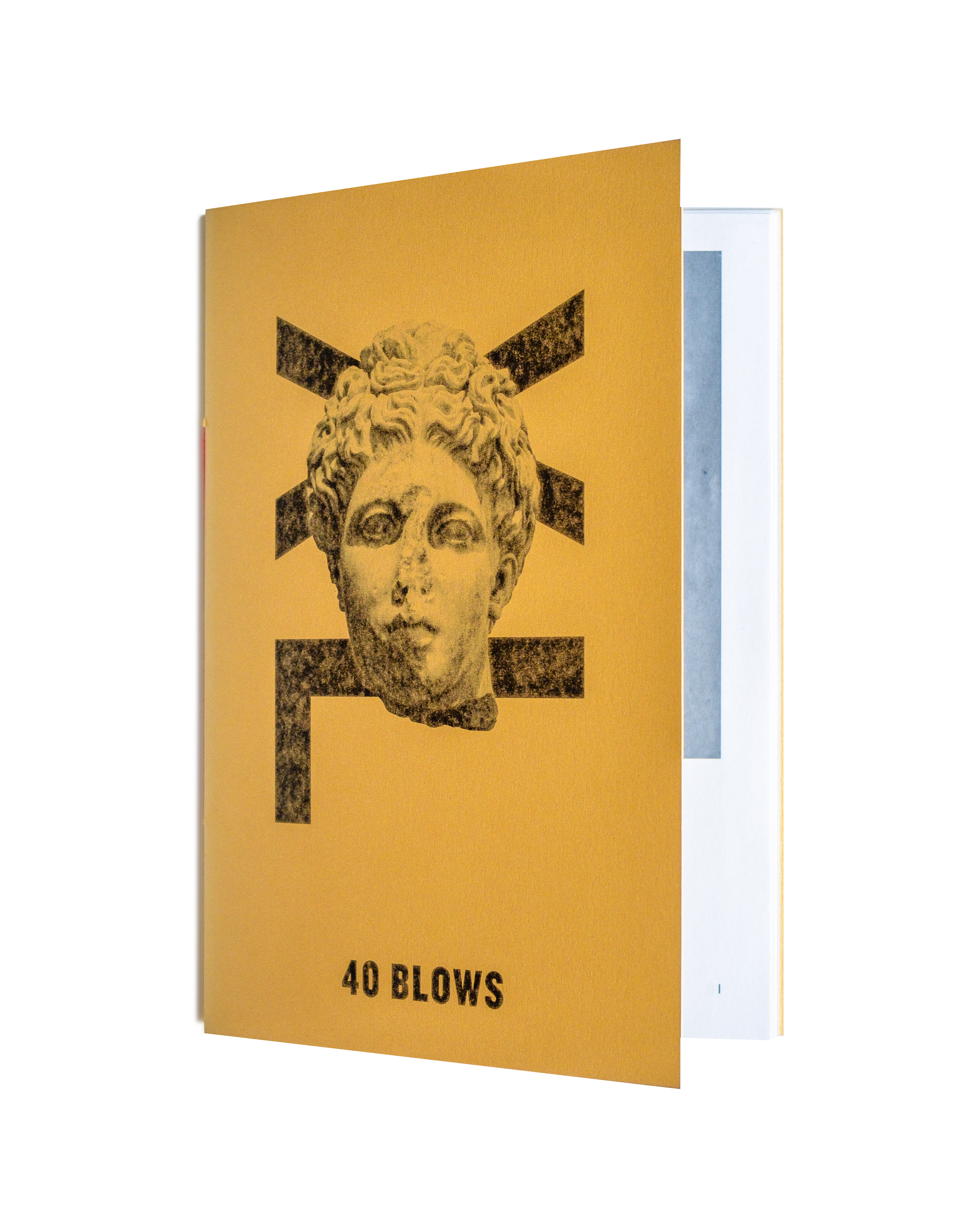
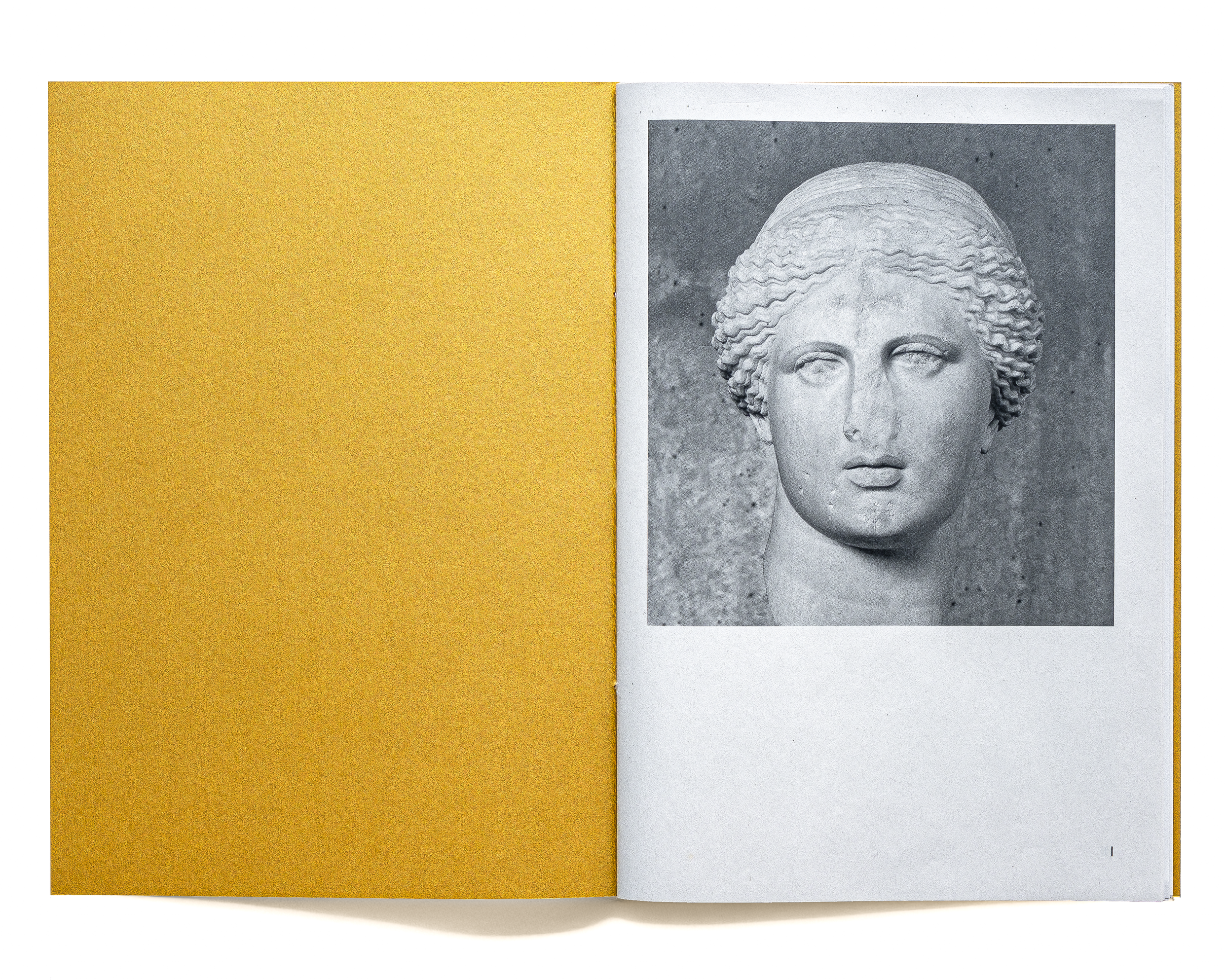
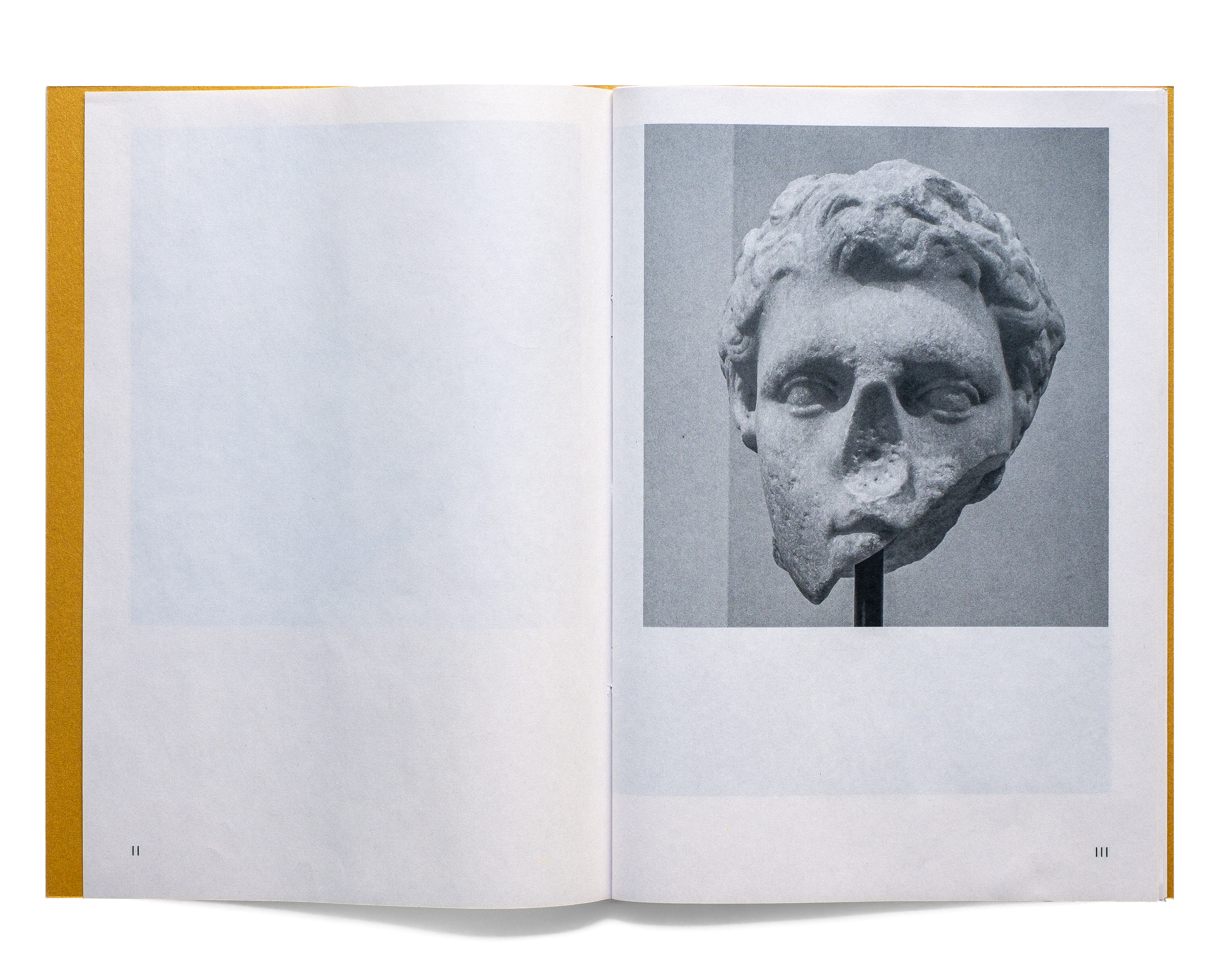
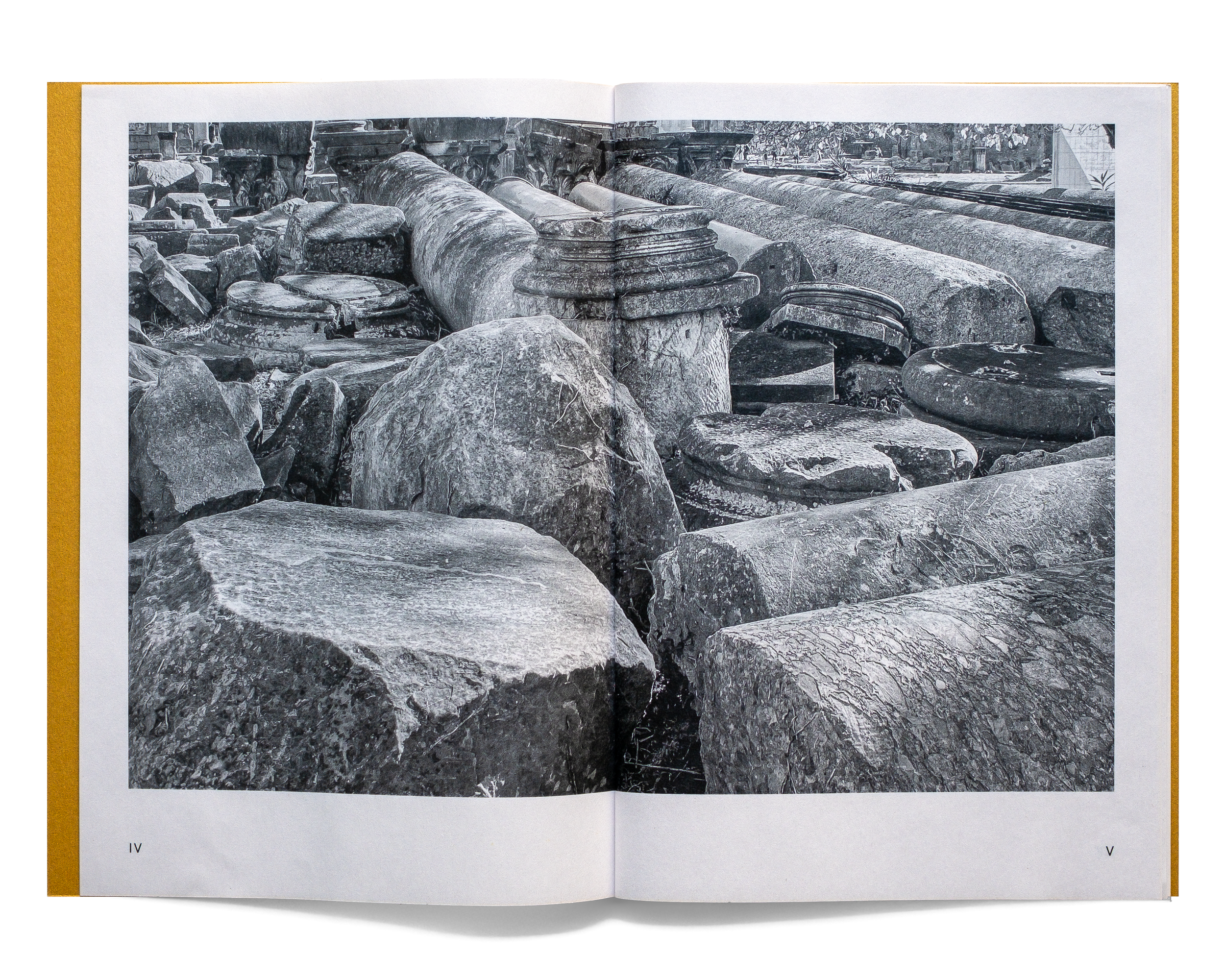
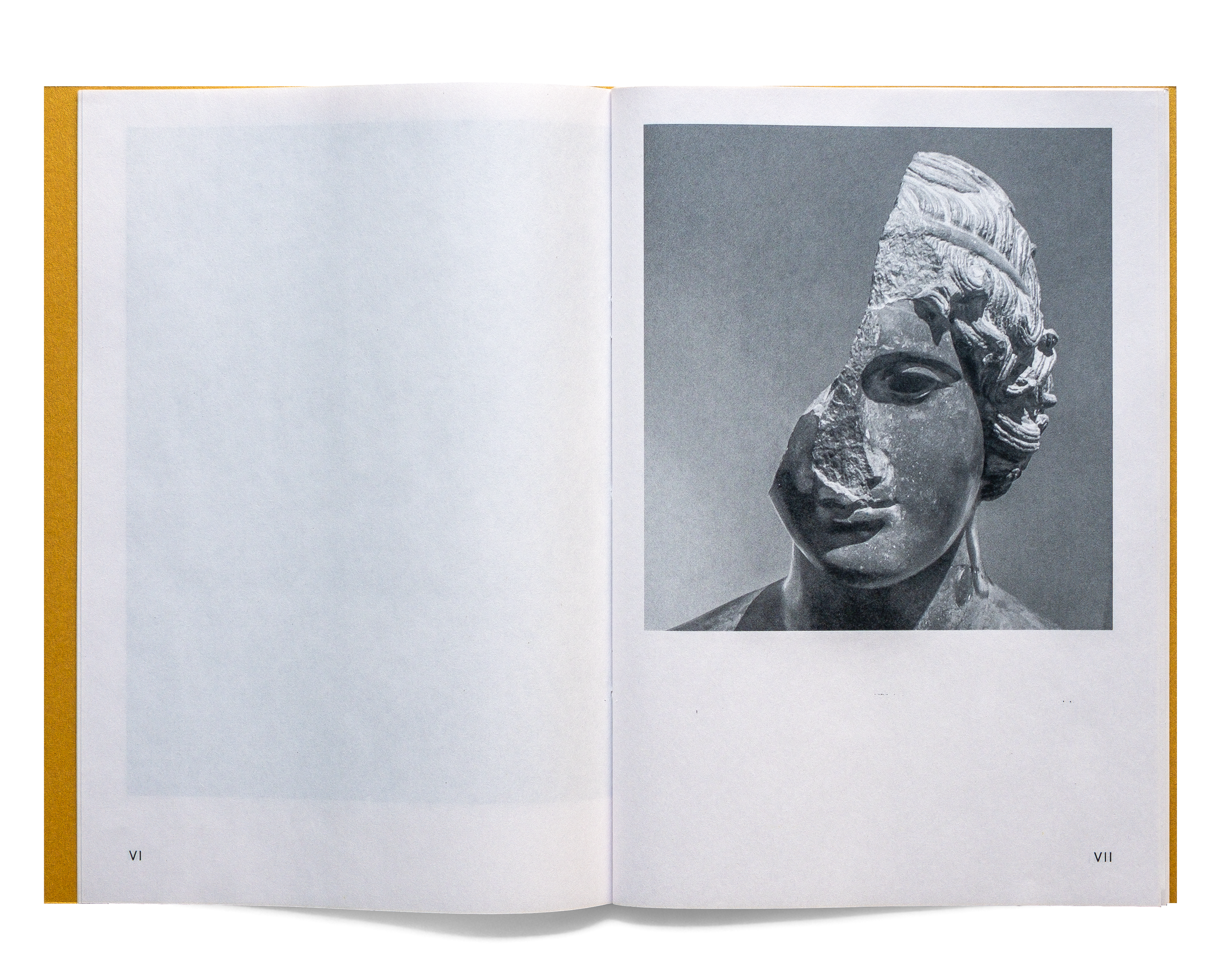
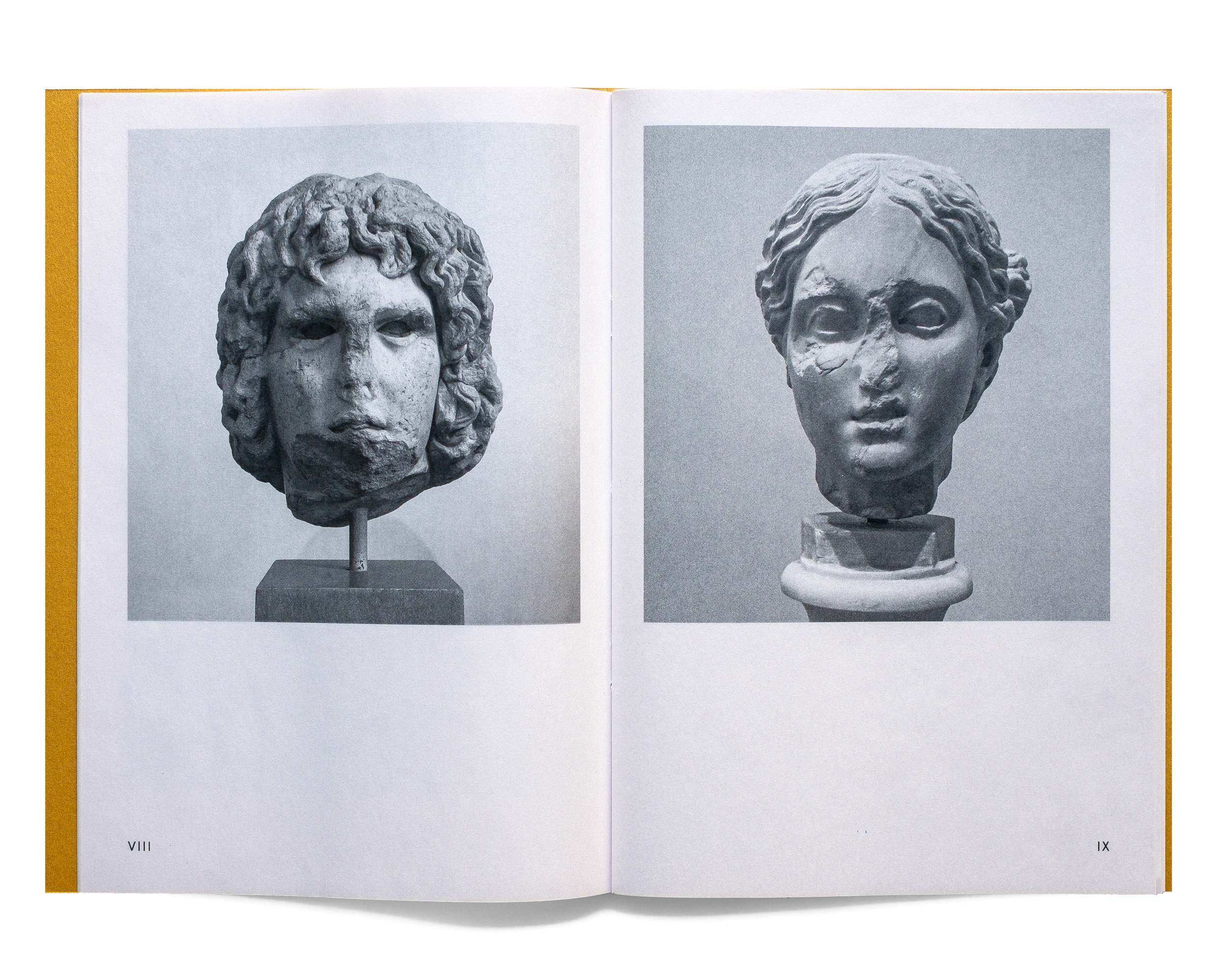
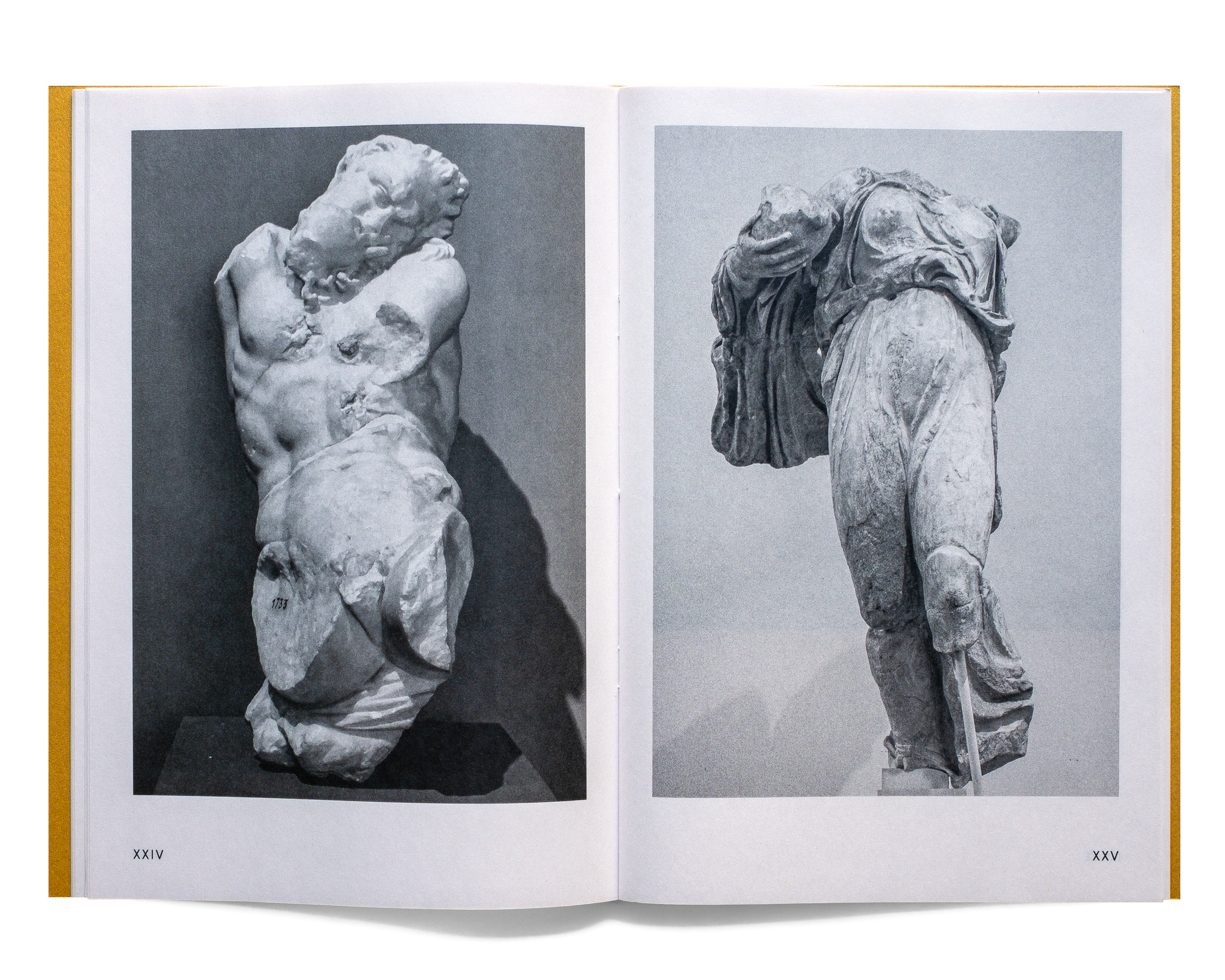
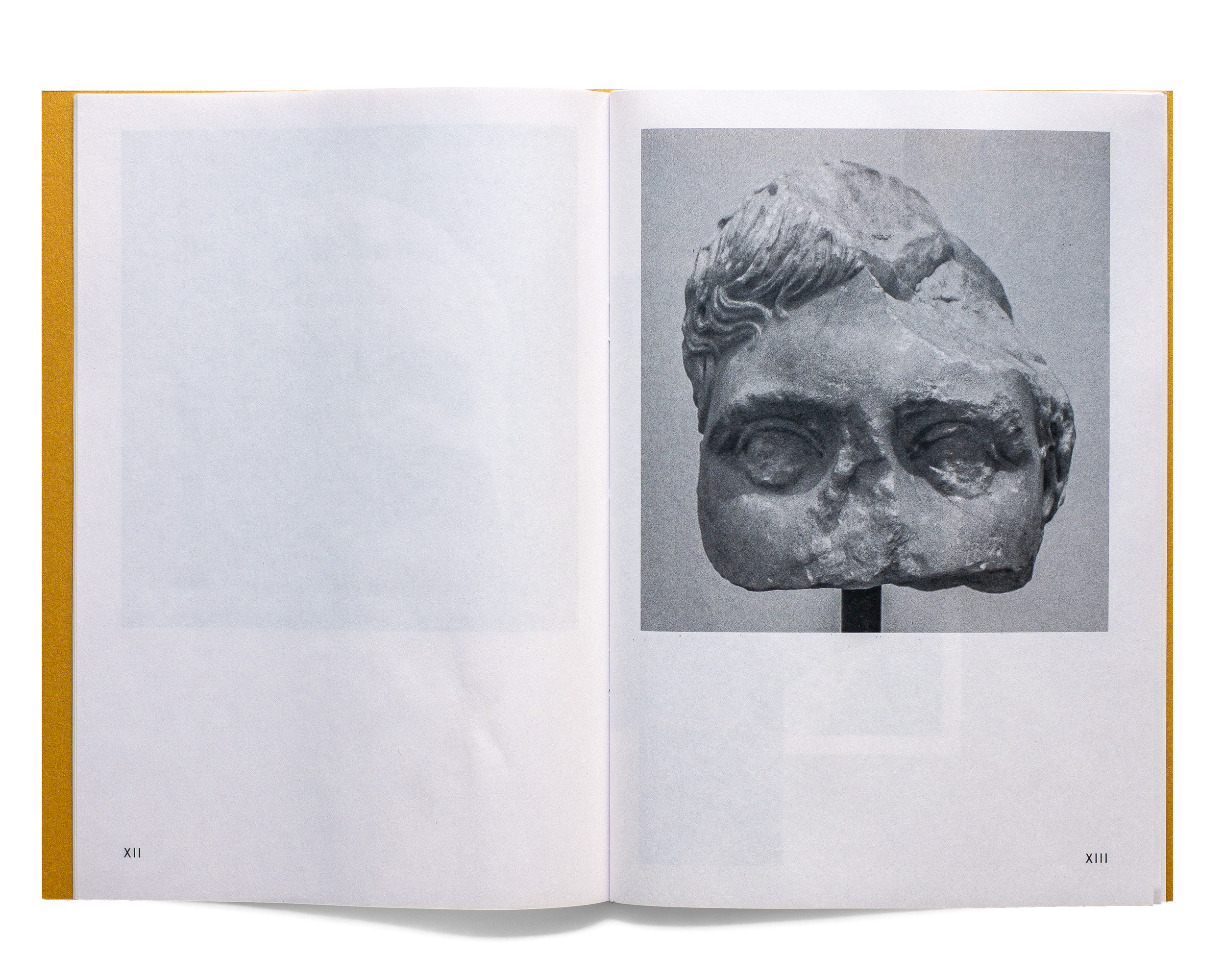
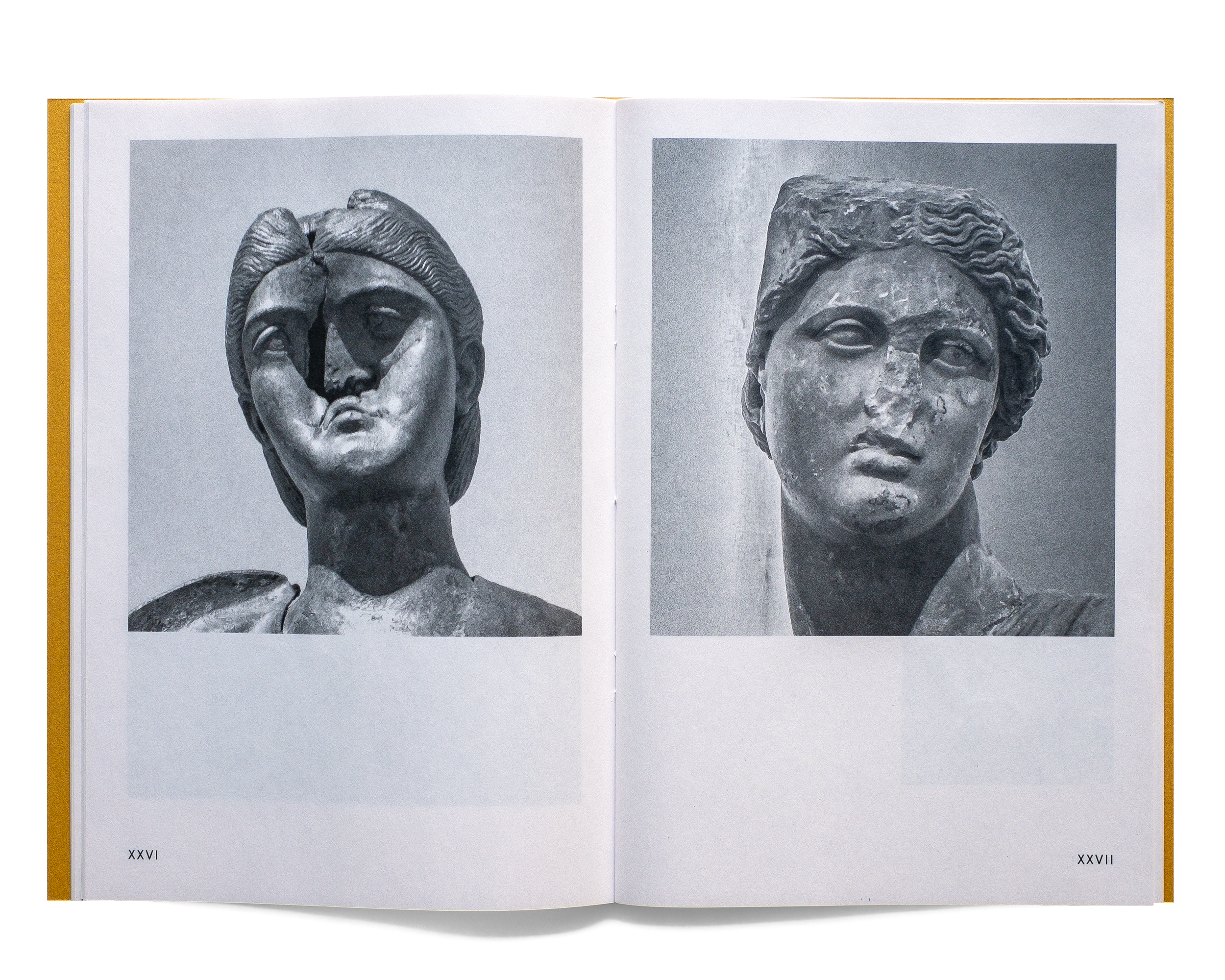
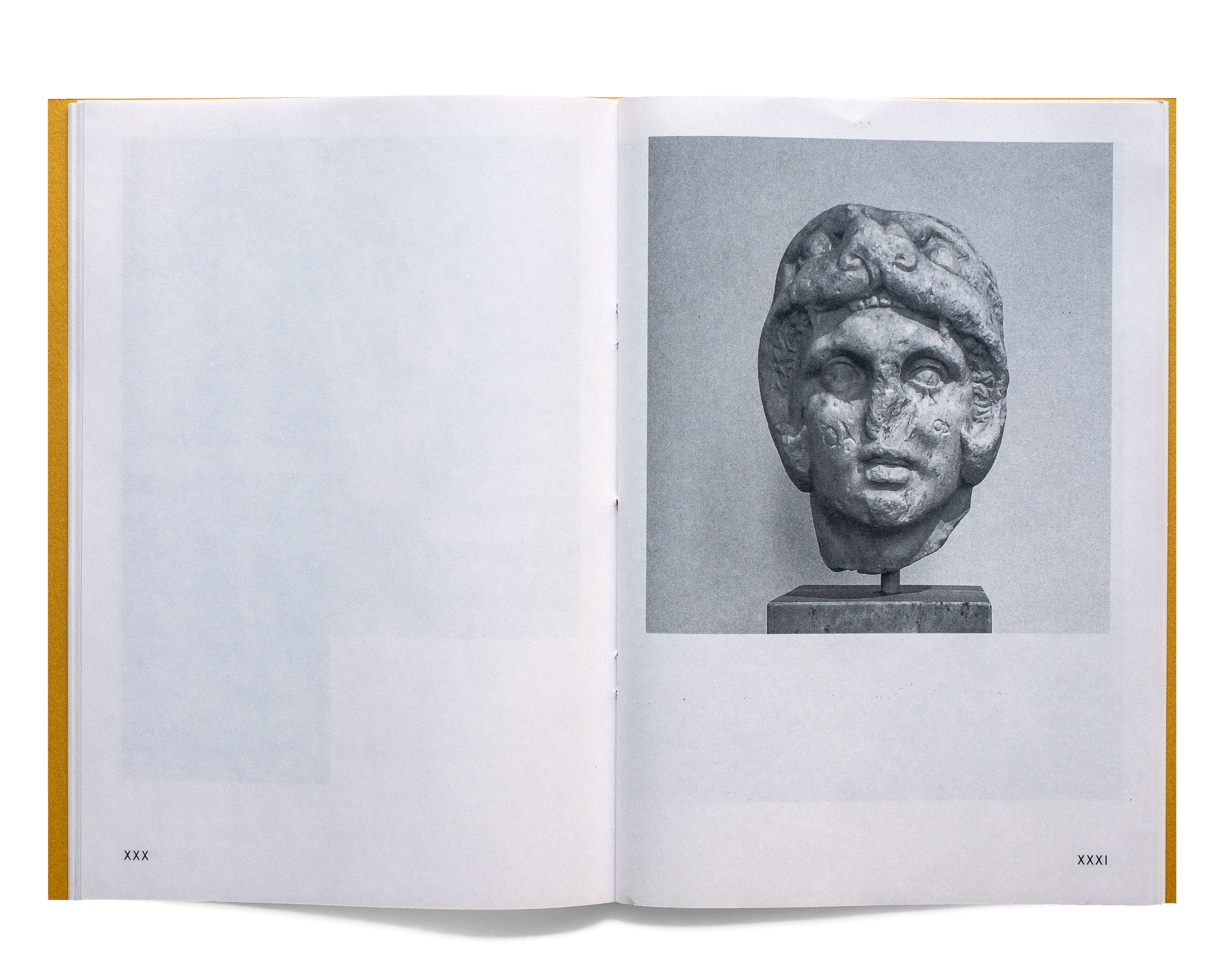

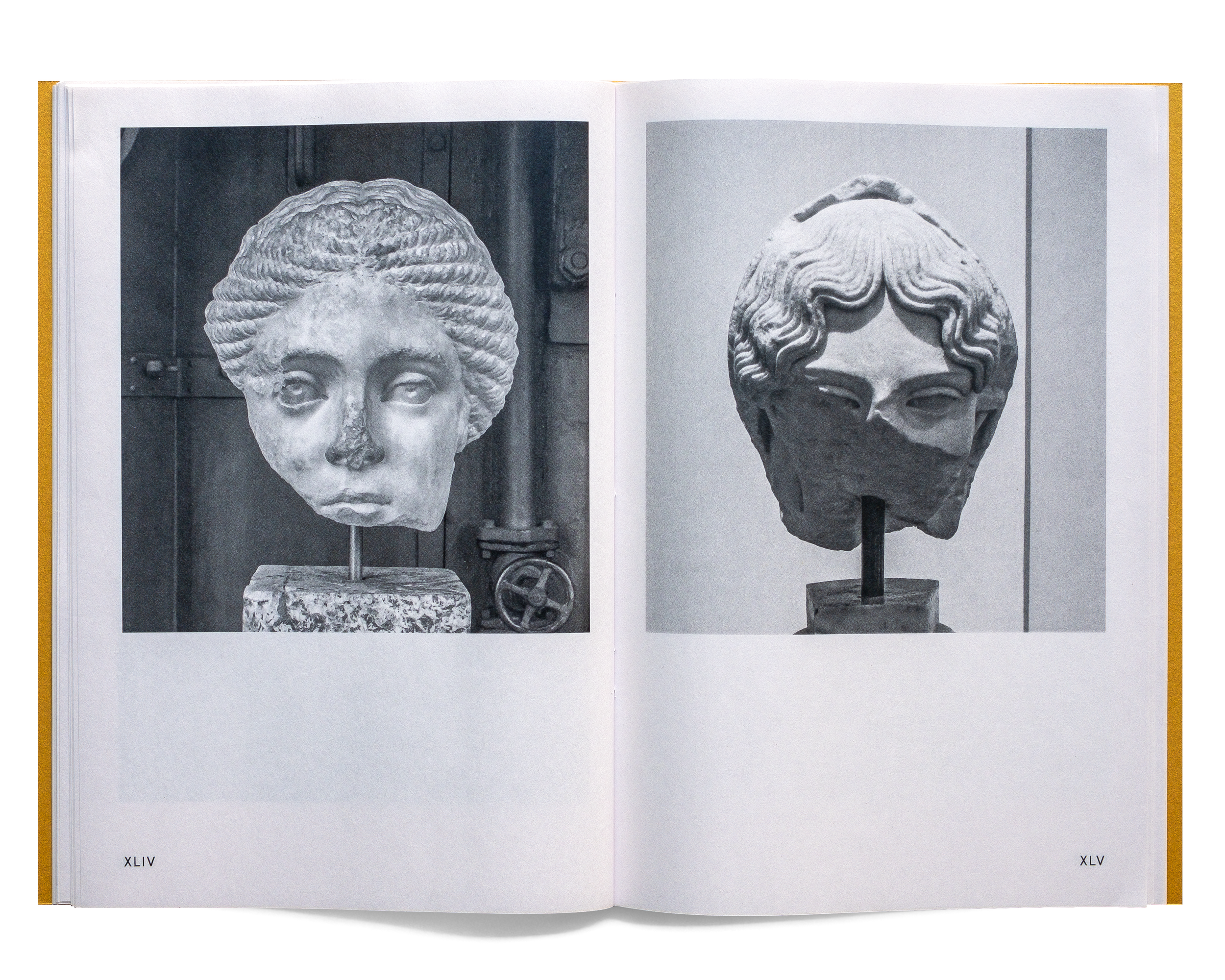
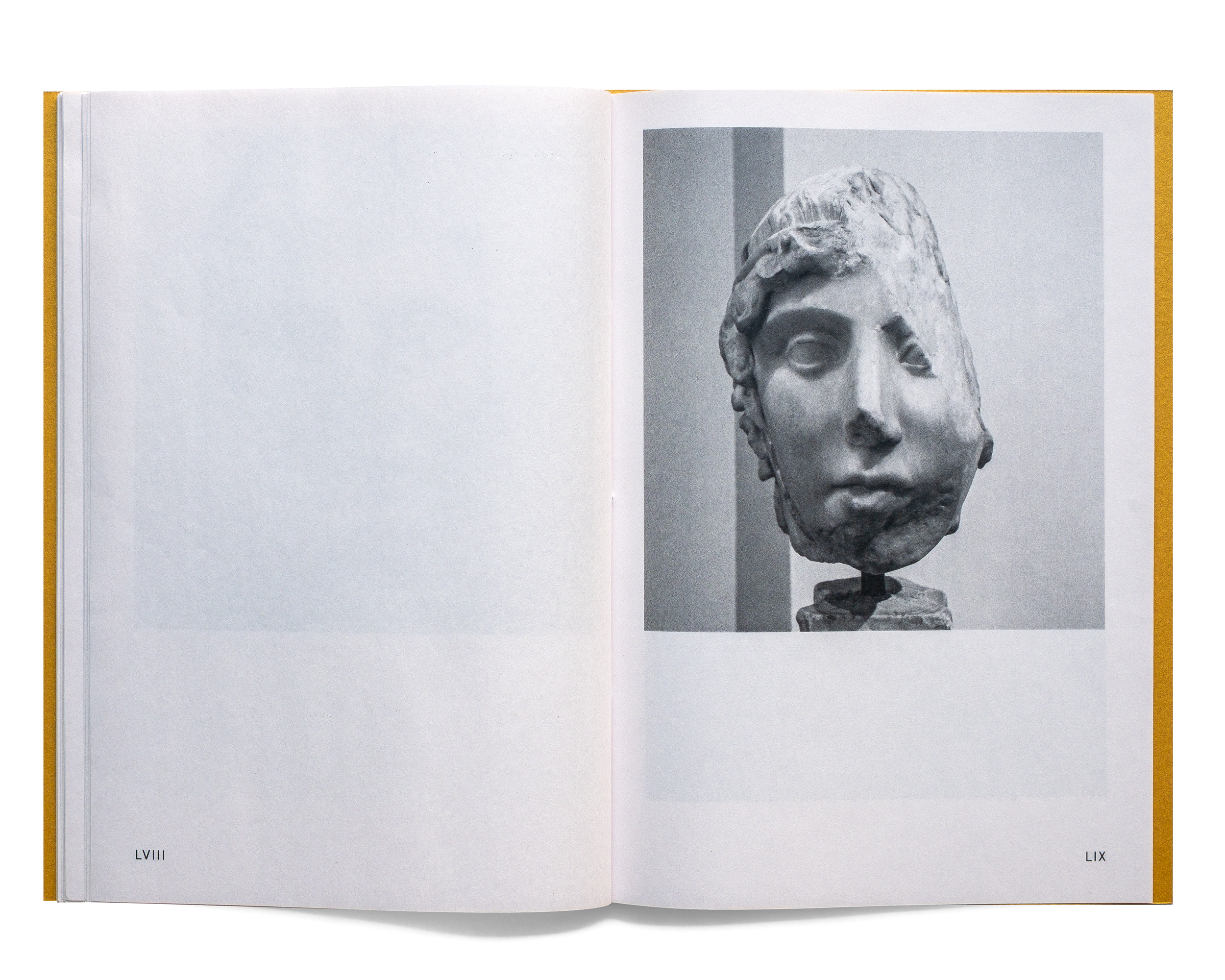

While exploring ancient art in European museums, I've been struck by a recurring feature in classical sculpture: the damage. The heads of gods, emperors, and everyday people are frequently defaced—noses smashed, chins broken, cheeks gouged, crosses carved into brows. Some of this is surely the wear of time, or the collapse of buildings and empires. But some of it looks deliberate. Museums rarely say which is which.
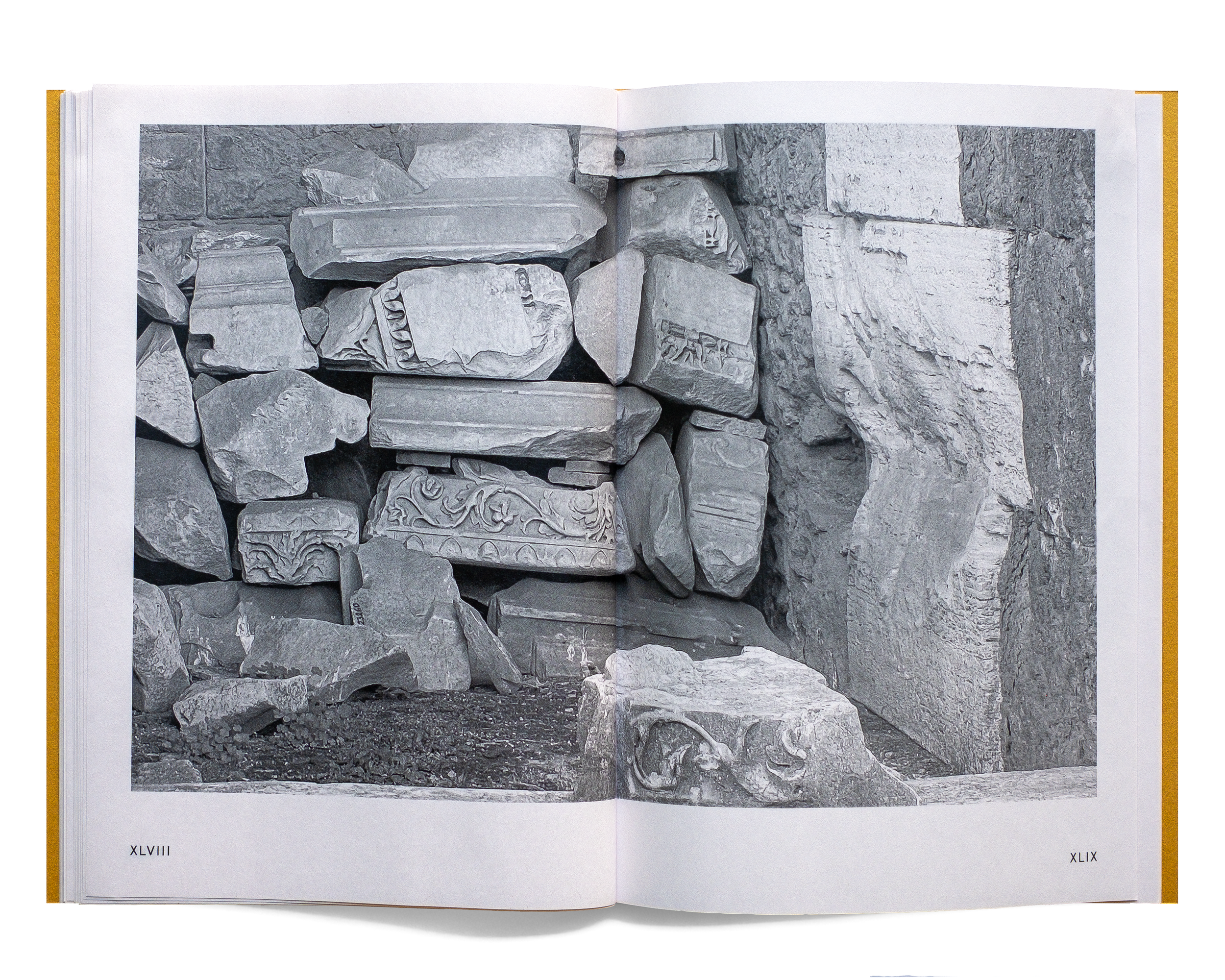
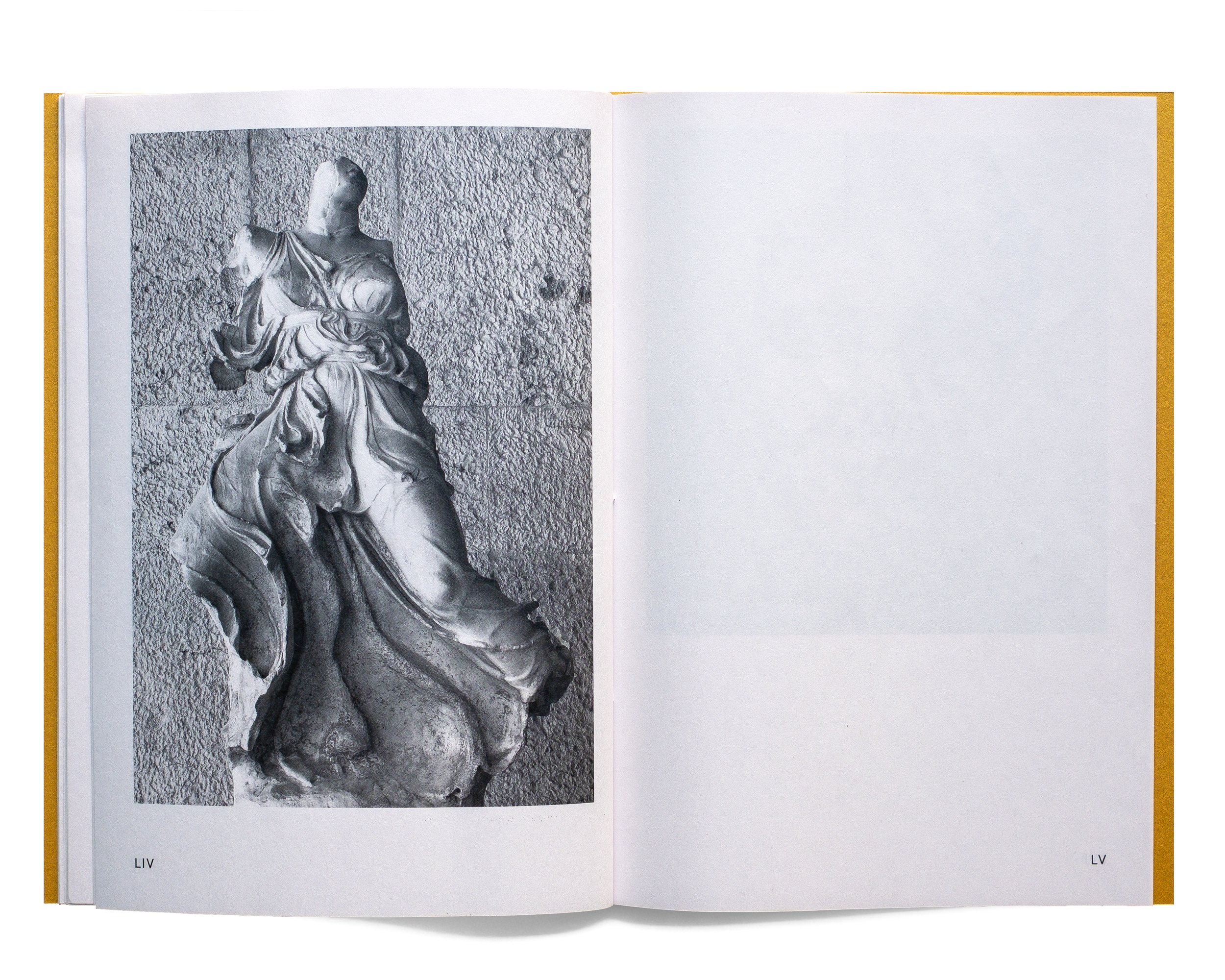
Scholars have increasingly traced a portion of this damage to the religious upheavals of late antiquity—the rise of Christianity and the iconoclastic waves that accompanied the fall of the Roman Empire, when sculpture, architecture, and even texts were altered or destroyed to suppress pagan imagery and belief. I don't know, face by face, what happened to the ones I photographed. That uncertainty is part of what drew me back into the museums with a camera.
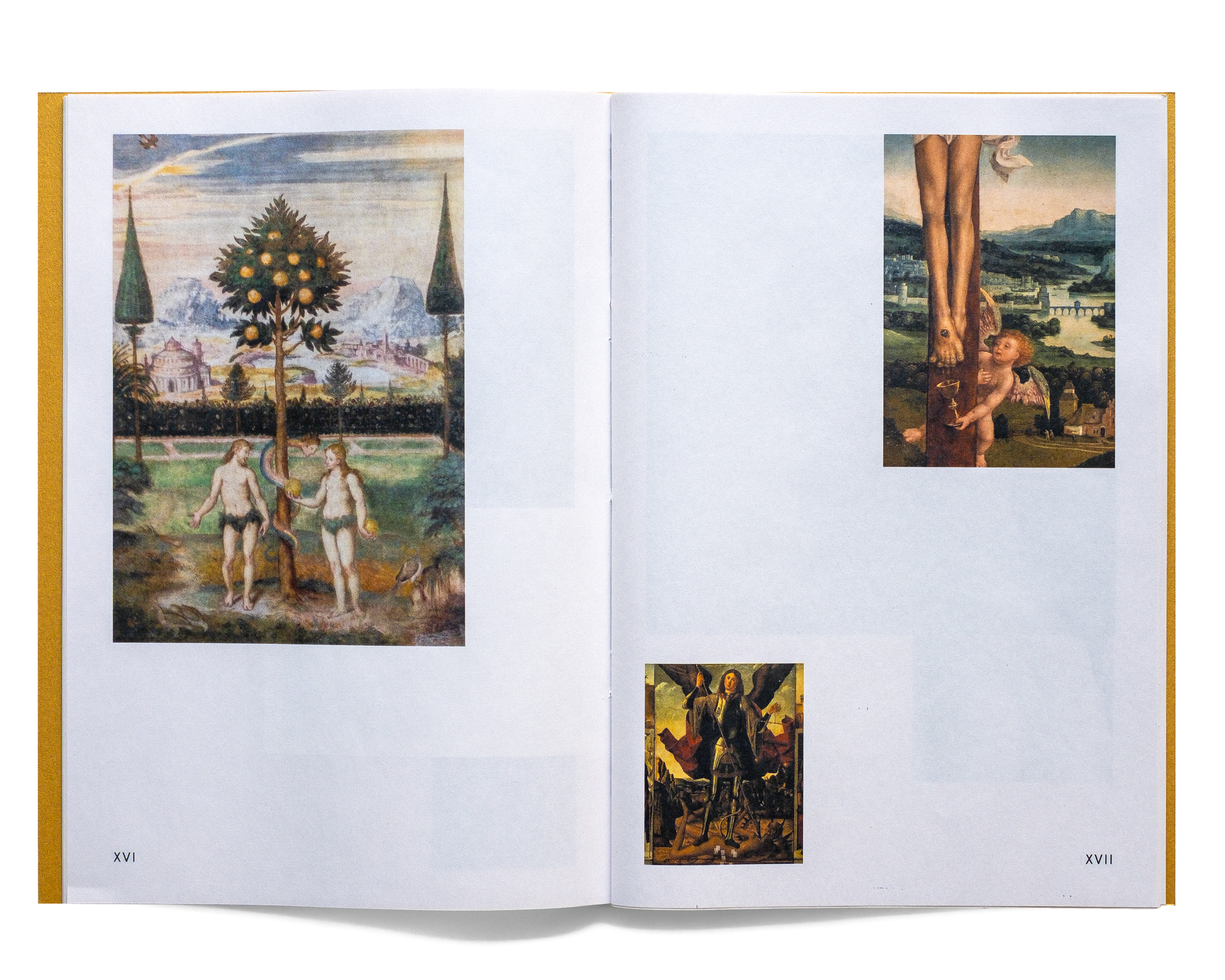
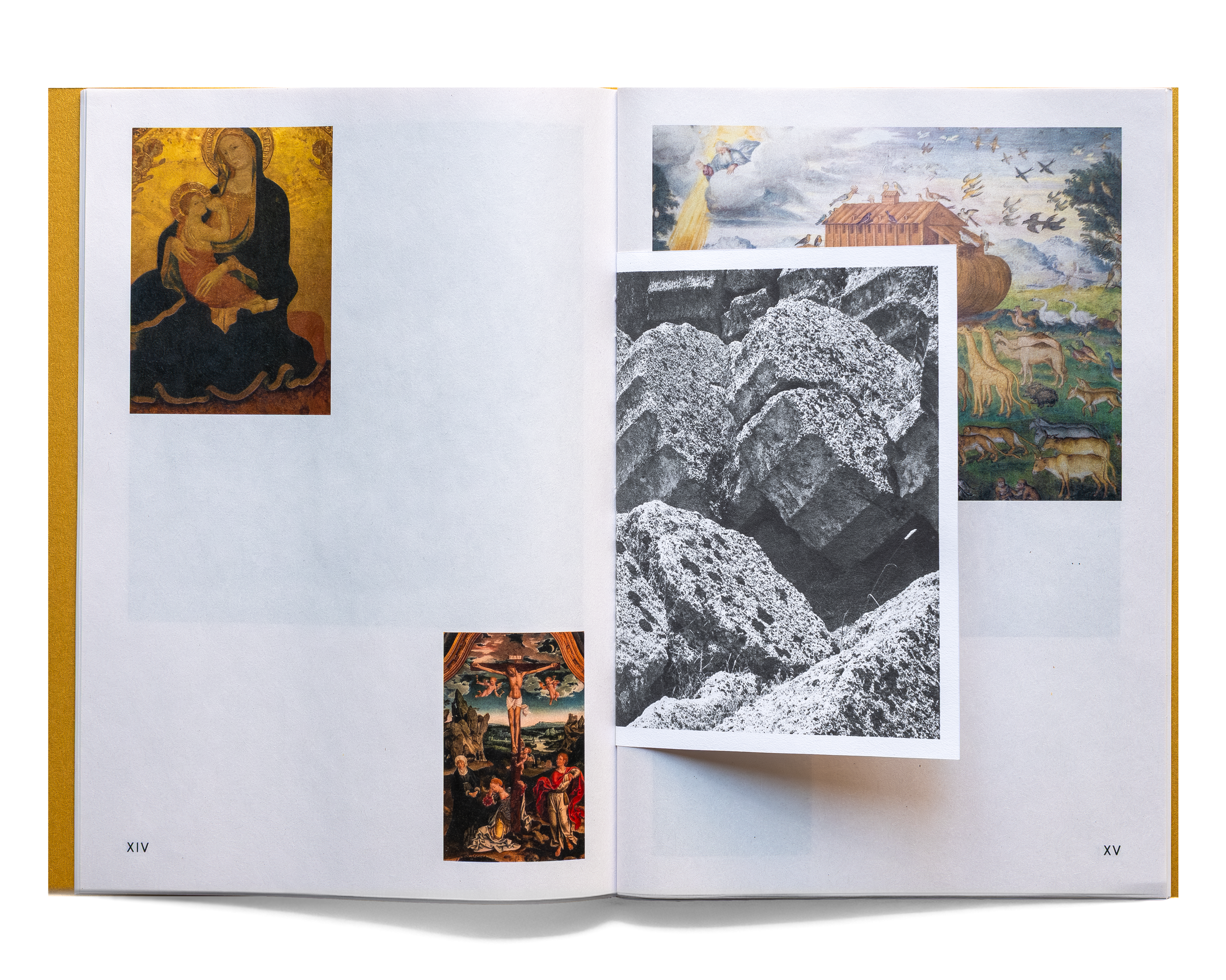
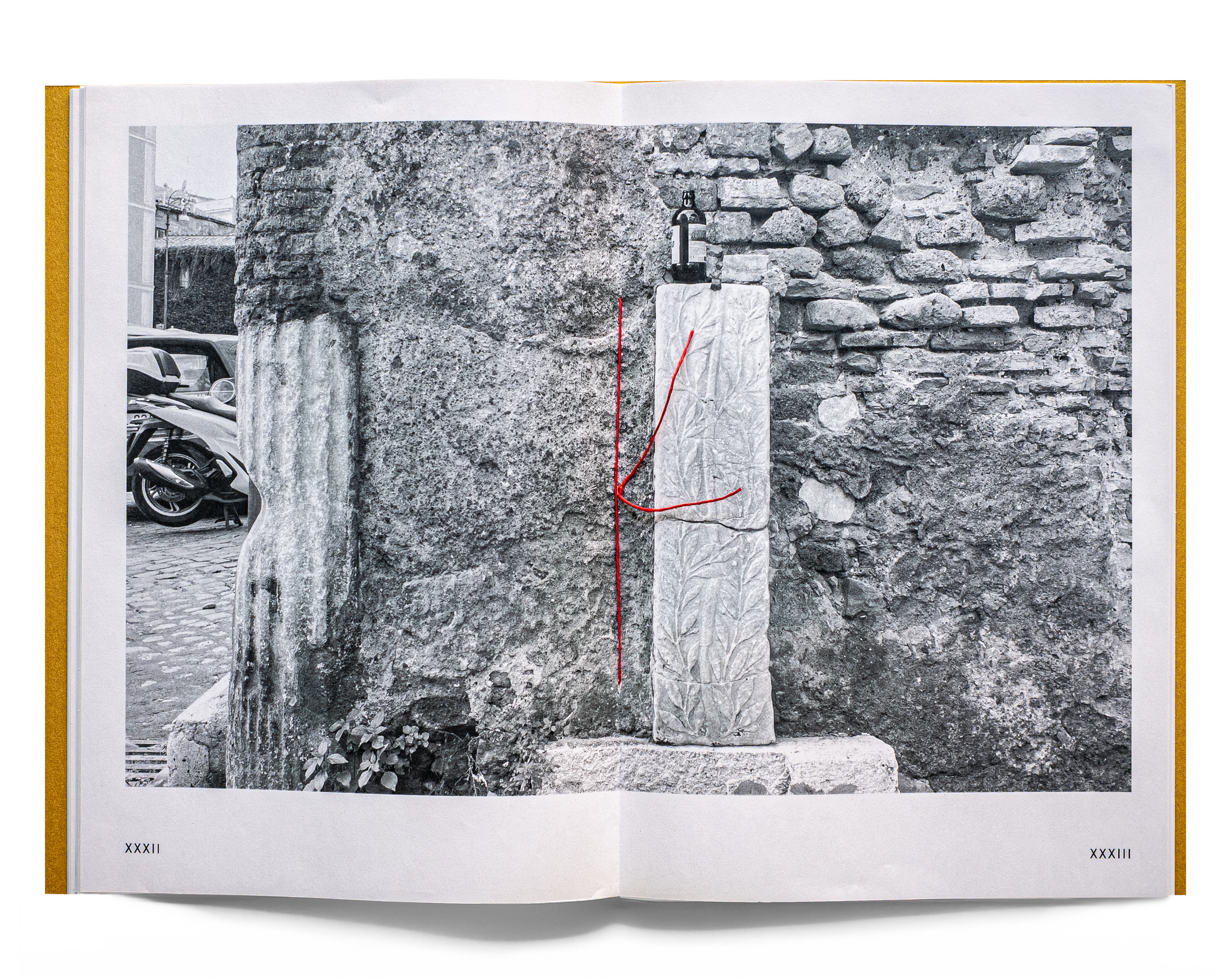
The photographs in this book, taken over many years in museums across Europe, document these damaged faces without claiming to explain them. They stand as quiet witnesses to a long and often violent history of transformation, belief, and erasure.
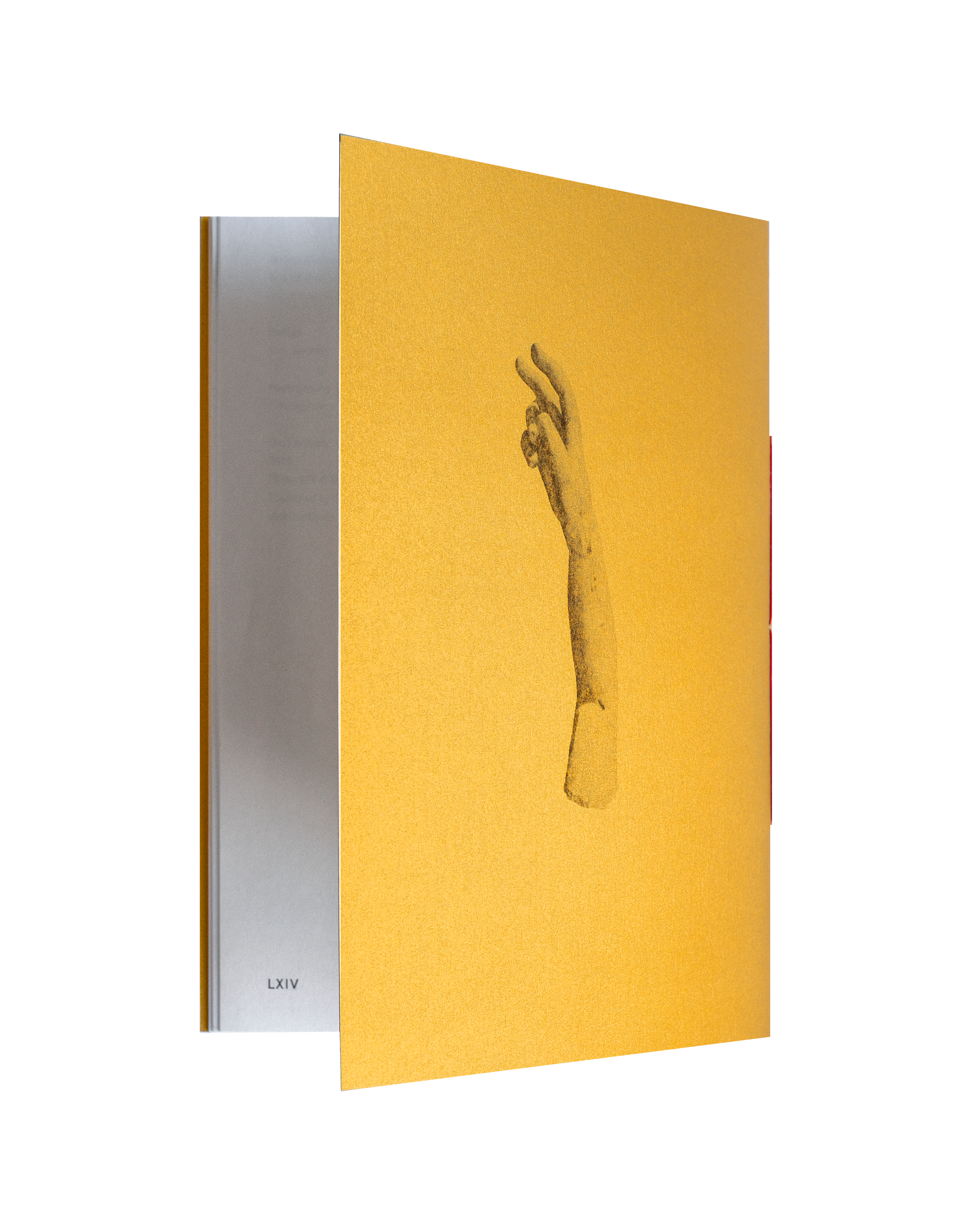
This hand-bound softcover booklet features a newsprint interior and a pigment-printed cover on metallic stock.